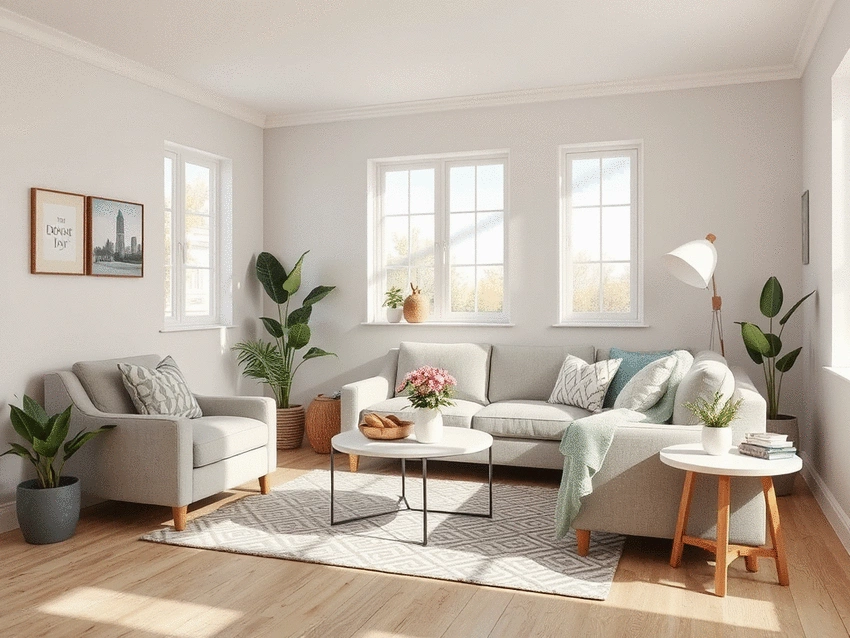

Transform Your Space with Accent Walls
By Lucas Fairchild / Jan 28
Transforming your home doesn't have to be an expensive endeavor. With a little creativity and the right approach, you can embark on budget-friendly DIY projects that enhance your living space. Let’s dive into the key insights to make your home a true reflection of your style while keeping your finances intact!
Transforming your home doesn't have to break the bank. Explore the benefits of cost-effective DIY projects and smart strategies to maximize value and savings.
At Dynamo Remodeling Tips, I believe that transforming your home doesn’t have to deplete your bank account! It’s all about finding budget-friendly solutions that allow you to create a space you love. Let’s explore some ideas that not only enhance your home but also respect your budget.
Understanding the significance of cost-effective home improvements can unlock potential in your living space. It’s not just about making changes; it’s about making smart choices that reflect your style while keeping costs manageable. So, where do we start?
When it comes to remodeling, many homeowners worry about soaring expenses. However, focusing on cost-effective improvements can lead to impressive results without the hefty price tag. Consider these benefits:
By prioritizing affordability, I aim to empower you to embrace your DIY spirit and transform your home into a true reflection of yourself. Remember, each small project contributes to the overall beauty and function of your living space.
Did you know that DIY projects can significantly raise your home’s value? I’ve seen firsthand how even simple changes can yield high returns! According to a report by the National Association of Realtors, certain remodeling projects can provide a substantial return on investment. Here are a few DIY projects that can boost your property’s worth:
Implementing these projects not only makes your space more enjoyable but can also be a smart financial investment. It’s a win-win for both you and your potential buyers!
As a remodeling enthusiast, I’m passionate about sustainability in home improvement. Using eco-friendly materials not only benefits the planet but can also save you money! Here are some sustainable options to consider:
Incorporating these materials into your remodeling projects not only helps in reducing waste but also adds character to your home. Let’s make choices that are good for both you and the environment!
Did you know that incorporating just a few sustainable materials into your remodeling projects can not only benefit the environment but also enhance your home's appeal? Consider using reclaimed wood for furniture or accent walls, as it adds unique character while being eco-friendly.
As we wrap up our journey through the world of DIY home remodeling, it's essential to focus on how to make each project count. A well-planned approach can ensure that your renovations not only fit your budget but also lead to significant long-term savings. By evaluating your project costs versus the value they add to your home, you can make informed decisions that align with your financial goals.
Here are some key considerations for summarizing your DIY strategies:
By keeping these points in mind, you can effectively navigate your remodeling projects and ensure that each step you take contributes to enhancing your home's value.
When it comes to evaluating project costs, it's helpful to break down the initial expenses against the potential savings you can achieve over time. For example, installing energy-efficient windows may have a higher upfront cost but can lead to substantial savings on energy bills in the long run. According to research from Harvard's Joint Center for Housing Studies, aging U.S. homes require additional investment, making smart, cost-effective upgrades even more crucial. Think of it this way: every dollar invested wisely today can yield multiple returns tomorrow!
Understanding this balance is crucial for making smart decisions in your DIY projects. Remember, the goal is to create a home that reflects your style while also being a sound investment!
Choosing the right projects for your home can feel overwhelming, but it doesn’t have to be! Start by assessing the areas that need the most attention. From my own experience at Dynamo Remodeling Tips, I've found that prioritizing projects based on need and potential impact can streamline your journey.
By focusing on these aspects, you can ensure that your DIY projects not only enhance your home's aesthetics but also its functionality.
In the ever-evolving world of home design, staying updated on the latest trends can set your remodeling projects apart. Not only do these trends make your home more attractive, but they can also significantly boost your property value. Some of the top trends include:
Integrating these design trends into your projects can lead to impressive transformations. Embrace your creativity and let your home shine with features that are not only trendy but also timeless!
With a solid plan in place, it’s time to take action! Starting your DIY home remodeling journey can be both exciting and rewarding. Remember, every great project begins with a single step. Let’s break down some essential tips to get you on your way.
Before diving into your first project, planning is key. This will help you avoid costly mistakes and ensure you stay on track with your budget. According to NerdWallet's 2023 spending data, homeowners spent an average of $8,000 on home improvements, highlighting the importance of smart budgeting. Here’s how to make your planning process smooth:
With a thoughtful plan in place, you’ll feel more confident as you execute your remodeling projects. Remember, it's all about taking one manageable step at a time!
Don’t underestimate the power of community resources! Getting involved with local DIY groups or online forums can provide you with valuable insights and support. Here’s how to engage effectively:
Supporting each other in your DIY endeavors can make the journey not only easier but also more enjoyable. Plus, you might discover new techniques and ideas to enhance your projects!
Home design software can be a game-changer for your remodeling projects. With various tools available, you can visualize your ideas before diving in! Here’s what to consider when choosing design software:
By utilizing these tools, you’ll be able to create a clear vision of your projects, making execution smoother and your results even more rewarding!
Here is a quick recap of the important points discussed in the article:
By Lucas Fairchild / Jan 28
By Lucas Fairchild / Jan 18
By Lucas Fairchild / Jan 12

